
GERMANY ON IT AGAIN: Information About Germany's Skilled Immigration Act
Here you can find the most important changes of the Skilled Immigration Act (FEG) explained in a simple and accessible way
 RankingBoss
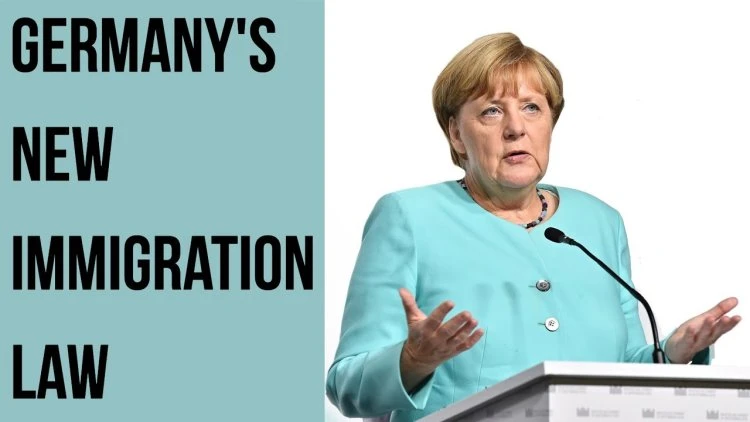
The Skilled Immigration Act in Germany has been introduced to provide more opportunities for qualified professionals from non-EU countries to work in the country. The law aims to make it easier for skilled workers with vocational, non-academic training to migrate to Germany. While the current conditions for qualified professionals with university degrees remain unchanged, some rules have been relaxed.
Key changes introduced by the new law include:
1. Definition of qualified professionals: Qualified professionals are individuals who have completed qualified vocational training in Germany or have obtained an equivalent vocational qualification recognized in Germany. Foreign vocational training courses may be considered equivalent if they are similar to German training programs.
2. Accessing the German labor market: It is now easier for qualified professionals to enter the labor market. They must have an employment contract or a specific job offer, as well as a recognized qualification in Germany. The Federal Employment Agency no longer conducts a priority check to determine the availability of German or EU applicants for the job.
3. Employment opportunities: Qualified professionals can work in occupations for which they are qualified, including related occupations. Professionals with academic degrees can also work in jobs that don't necessarily require a tertiary education degree, as long as they are related to their qualifications and require a vocational, non-academic qualification.
4. Qualified professionals with vocational qualifications: The employment of qualified professionals with vocational training from outside the EU is no longer limited to occupations experiencing a skills shortage. If their vocational training qualification is recognized in Germany, they can work in any occupation covered by their qualification.
5. Coming to Germany to look for a job: Professionals with vocational training qualifications can come to Germany to search for a job. They are granted a residence permit for up to six months, provided their qualification is recognized in Germany, they can financially support themselves, and they have the necessary German language skills.
6. Period of residence for training and skill development: Opportunities for training in Germany are improved. If a foreign qualification does not fully meet the requirements of a German qualification, individuals can come to Germany for training after undergoing a recognition procedure. The residence permit for training can be extended for up to two years, and afterward, a residence permit for training, study, or work can be issued.
7. Permanent settlement permit: Qualified professionals from around the world can receive a permanent settlement permit after four years (previously five years).
The Skilled Immigration Act also introduces provisions for trainees and students, including the ability to come to Germany to seek a training place, attend German language courses, and change residence status based on different opportunities. For companies, there is a fast-track procedure to expedite the issuance of visas for skilled workers, involving agreements between employers and the Foreigners' Registration Office.
For qualified professionals interested in working in Germany, it is important to have their professional qualifications recognized in Germany. Language skills, particularly German, are also necessary depending on the purpose of their stay. The issuance of visas and residence permits depends on whether they are outside or inside Germany, with the relevant authorities responsible for the process.
SOURCE: MAKE IT IN GERMANY