
A lawyer used ChatGPT to file legal documents. The chatbot provided fake examples.
ChatGPT was utilized for legal filing by a lawyer. The chatbot cited fictitious cases.
 KSM
KSM
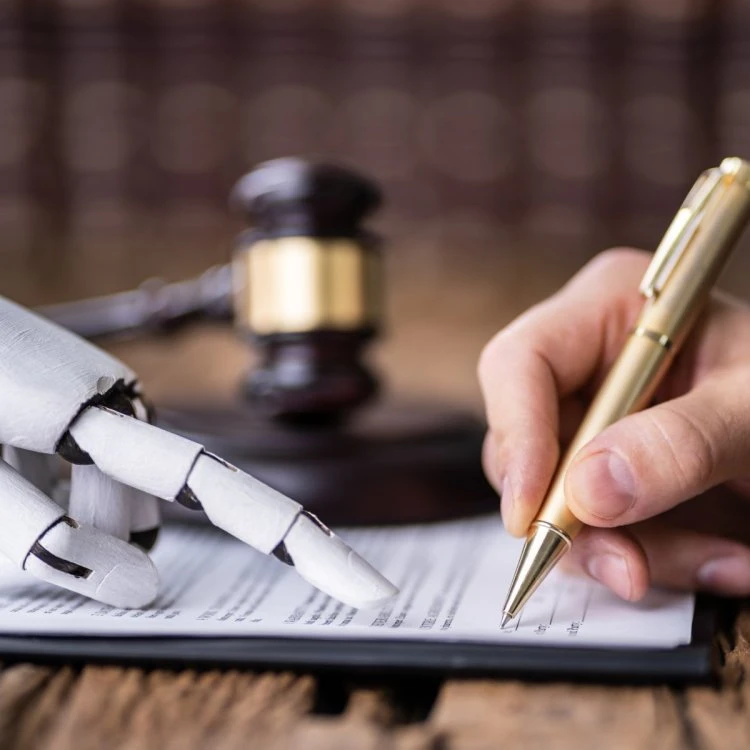
For thirty years, Steven Schwartz has been an attorney with Levidow, Levidow & Oberman. Now, a single instance may entirely ruin his career.
Why? He used ChatGPT for his court documents, and Schwartz described how the AI chatbot fully made up the prior cases he used.
It all begins with the disputed Mata v. Avianca case. The New York Times reported that Roberto Mata, an Avianca passenger, was suing the airline for damages after a food cart hurt his knee during a flight. In an effort to get the case dismissed, Avianca asked the judge. In opposition, Mata's attorneys filed a brief that was chock-full of precedent from cases that were comparable to this one. That's when ChatGPT came into play.
The case was initially brought in state court, and Mata's attorney, Schwartz, said he used OpenAI's well-known chatbot to "supplement" his own research after it was moved to Manhattan federal court.
Varghese v. China Southern Airlines, Shaboon v. Egyptair, Petersen v. Iran Air, Martinez v. Delta Airlines, and Estate of Durden v. KLM are just a few of the cases ChatGPT gave Schwartz the names of. Miller v. United Airlines and Royal Dutch Airlines.
The issue? All of those examples were entirely made up by ChatGPT. They're practically nonexistent.
The defense team for Avianca and the judge in charge of this case quickly found they were unable to find any of these court rulings. Due to this, Schwartz wrote an affidavit on Thursday outlining what took place. The attorney recommended ChatGPT to aid him with his paperwork.